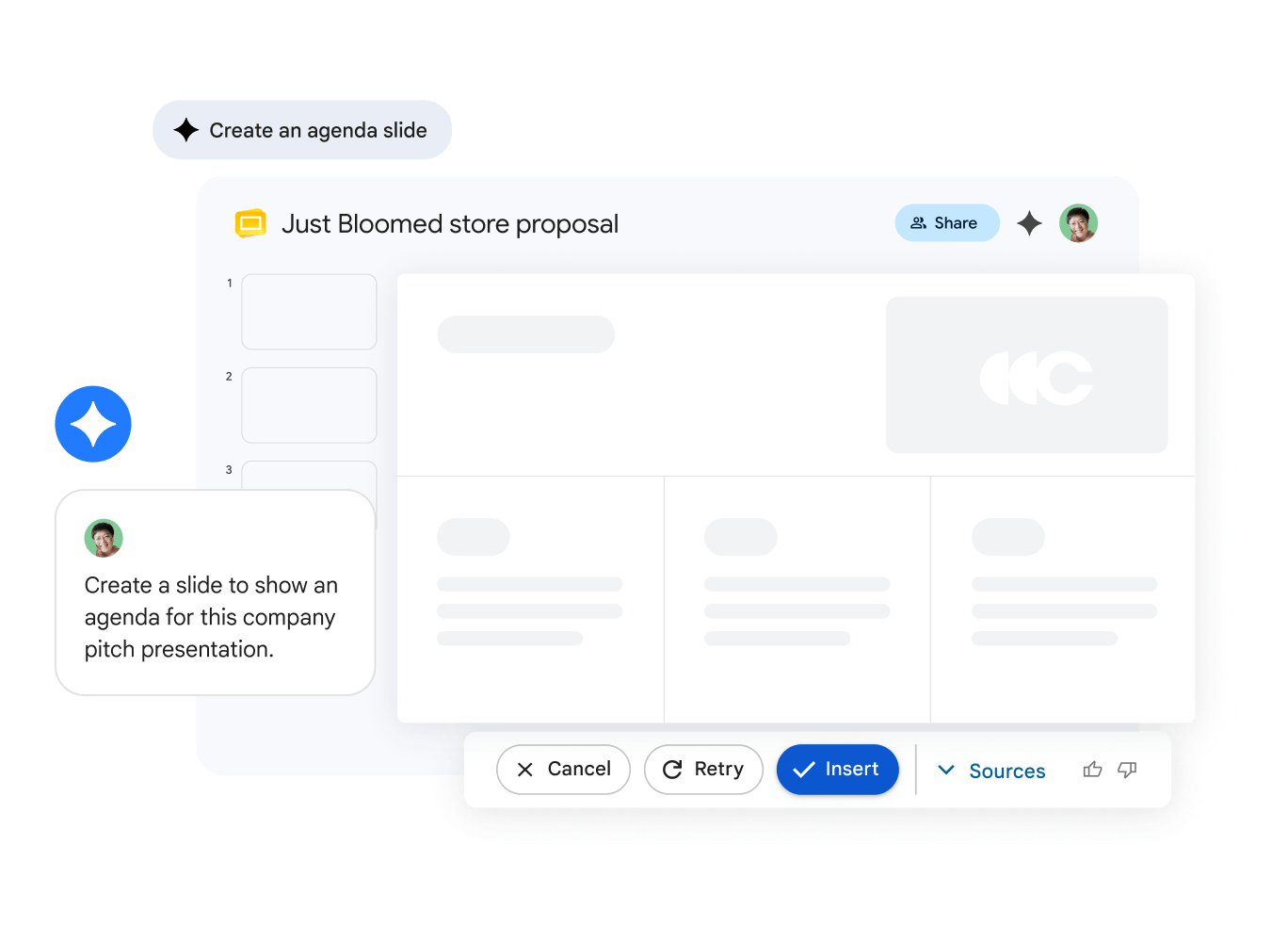
If you've searched for Google Workspace pricing in South Africa, you've probably landed on Google's own pricing page (priced in USD) and immediately had questions: how much is that in Rands, does it include VAT, what actually changes between Starter and Standard, and is Gemini AI really bundled in or an upsell? You may also know the product by its old name — Google rebranded G Suite to Google Workspace back in 2020, but "G Suite pricing" is still one of the most common ways people search for this. This guide answers all of that in one place, with the current 2026 plan structure, real per-user costs in ZAR, and an honest look at where the hidden costs sit.
Key Takeaways
- Google Workspace has four tiers — Business Starter, Standard, Plus, and Enterprise — running from roughly R155 to R490 per user/month (billed monthly) with a discount for annual billing.
- Published Google Workspace pricing is excluding VAT — when billed through a South African reseller, local VAT is added on top of the per-user rate.
- Gemini AI is now bundled into every paid plan at no extra charge, including AI drafting in Gmail, Docs, Sheets, and Meet.
- Google Workspace holds roughly 50% of the office productivity software market, just ahead of Microsoft 365, and is typically 15–30% cheaper at comparable tiers.
- The biggest cost most buyers miss isn't the licence — it's migration, admin setup, and support, which is where a local reseller earns its keep.
What Is Google Workspace?
Google Workspace is Google's subscription bundle of business email, cloud storage, and collaboration apps — Gmail, Drive, Docs, Sheets, Slides, Meet, Calendar, Chat, and (since 2024) the Gemini AI assistant built into all of them. Instead of buying software licences that live on one machine, you pay a per-user monthly fee and everything runs in the browser, syncs automatically, and comes with a custom email address on your own domain ([email protected]) rather than a free Gmail or Yahoo address.
It's the direct competitor to Microsoft 365, and for many small and mid-sized businesses it's the simpler, cheaper option — which is exactly what the pricing below shows. Note that Google Workspace and G Suite are the same product: Google renamed G Suite to Google Workspace in 2020, so if you're seeing "G Suite pricing" or "Google Suite pricing" elsewhere, it refers to the identical plans covered here.
Google Workspace Pricing: The 2026 Plans at a Glance
Google prices Workspace per user, per month, with a discount if you commit to annual billing. As of July 2026, here's the full breakdown in South African Rand (ZAR, as billed locally through a South African reseller) and USD (Google's global list price):
| Plan | Monthly billing | Annual billing (per mo) | Storage | Best for |
|---|---|---|---|---|
| Business Starter | R155 / $8.40 | R130 / $7.00 | 30 GB pooled | Small teams, solo founders |
| Business StandardMost Popular | R310 / $16.80 | R260 / $14.00 | 2 TB pooled | Established SMEs needing eSignature & full AI |
| Business Plus | R490 / $26.40 | R410 / $22.00 | 5 TB pooled | Growing companies needing Vault, eDiscovery & advanced security |
| Enterprise | Custom quote | 5 TB+ (scalable) | Large organisations needing DLP, S/MIME & data regions | |
Pricing per user/month, excluding VAT. Sourced from Google Workspace's official pricing page and current reseller price lists, retrieved July 2026. Business Starter, Standard, and Plus are capped at 300 users; Enterprise has no user limit.
What Each Plan Actually Includes
The price difference between tiers isn't arbitrary — each step up unlocks storage, security, and AI depth that the previous tier doesn't have.
Business Starter — the email-and-docs essentials
- 30 GB pooled cloud storage per user
- Custom business email on your own domain
- Gemini AI assistant in Gmail
- Video meetings for up to 100 participants
- Standard security and admin controls
Business Standard — the plan most SMEs land on
- 2 TB pooled storage per user — 65x more than Starter
- Gemini AI across Gmail, Docs, Meet, and Sheets, plus the Gemini Notebook research assistant
- Meeting recordings and noise cancellation, up to 150 participants
- Appointment booking pages with payment collection
- eSignature built into Docs and PDFs
Business Plus — for compliance-conscious growth
- 5 TB pooled storage per user
- Google Vault for retention, archiving, and legal hold
- Secure LDAP and advanced mobile device management
- Enhanced DLP and compliance policy controls
- Video meetings for up to 500 participants with attendance tracking
Enterprise — for large, regulated organisations
- Scalable storage beyond 5 TB per user on request
- S/MIME encryption and Context-Aware Access
- Data Loss Prevention across Drive and Gmail
- Enterprise data regions and Cloud Identity Premium
- Enhanced support with faster response SLAs
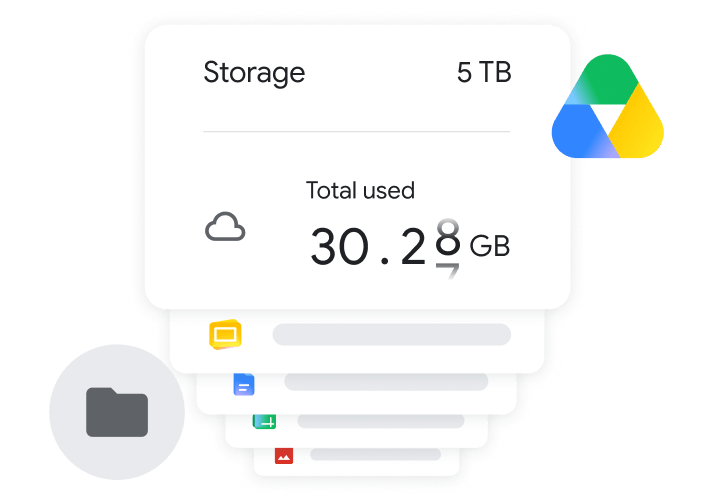
There's no separate "Google Drive storage pricing" in South Africa outside of these plans — cloud storage isn't sold on its own the way a consumer Google One subscription is. Instead, it's bundled and pooled per Workspace plan, which is usually cheaper than buying extra storage individually once you have more than one or two users.
Google Workspace vs Microsoft 365: Which Is Cheaper?
This is the comparison almost every buyer runs before signing. At list price, Google Workspace comes out 15–30% cheaper than the equivalent Microsoft 365 tier, largely because Google's Standard plan includes 2 TB of storage where Microsoft 365 Business Standard tops out at 1 TB for a similar price.
| Tier | Google Workspace | Microsoft 365 |
|---|---|---|
| Entry | Starter — $7.00/mo (annual) | Business Basic — ~$6.00/mo |
| Mid | Standard — $14.00/mo, 2 TB storage | Business Standard — ~$14–16/mo, 1 TB storage |
| Advanced | Plus — $22.00/mo | Business Premium — ~$22/mo |
| Enterprise | Custom, roughly $23/mo equivalent tier | E3 ~$36/mo, E5 ~$57/mo |
Comparison based on published 2026 list pricing from Google and Microsoft; regional and reseller pricing may vary.
Where Microsoft claws the gap back is total cost of ownership: once you add third-party security tools, backup, and compliance add-ons that Microsoft 365's higher tiers include natively, the real-world gap narrows to roughly 5–15%. Microsoft also still wins on offline desktop Office apps — Google Workspace is browser-first, which suits distributed and cloud-native teams better than organisations tied to legacy desktop workflows.
Why Use Google Workspace? 5 Reasons Beyond the Price Tag
1. It's genuinely cheaper for most small and mid-sized teams
For a 10-person business on Standard, annual billing works out to roughly R2,600/month total — often less than what businesses were already paying for a mix of a legacy email host, a separate cloud storage subscription, and a video conferencing tool bought individually.
2. Gemini AI is bundled in, not an add-on
Every paid Workspace plan now includes Gemini for drafting emails in Gmail, summarising long documents in Docs, building formulas in Sheets, and generating meeting notes in Meet, at no extra licence cost. Google reports that businesses using these AI features have seen productivity gains of roughly 35% and a 40% reduction in email overload.
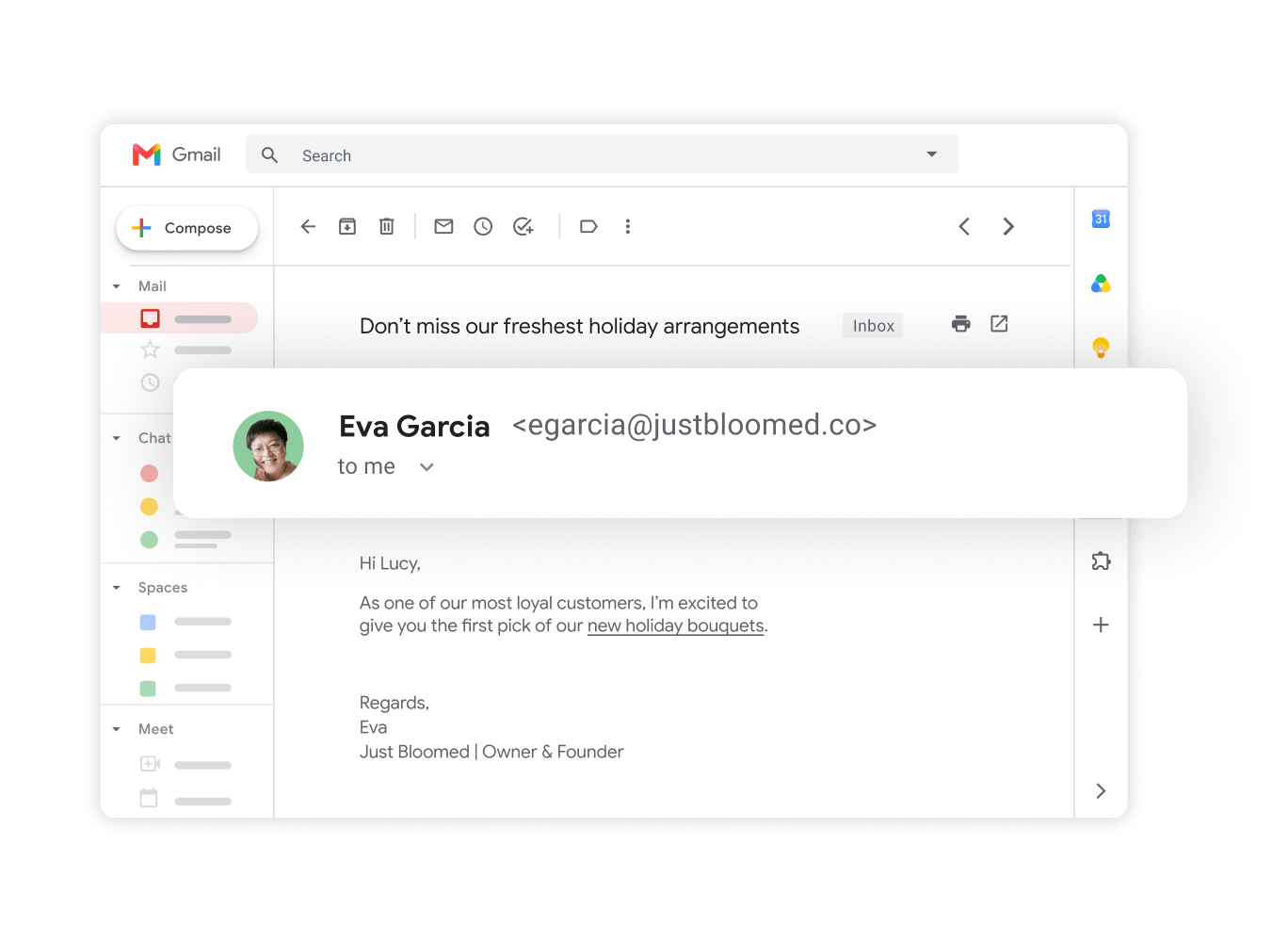
3. Real-time collaboration without version-control chaos
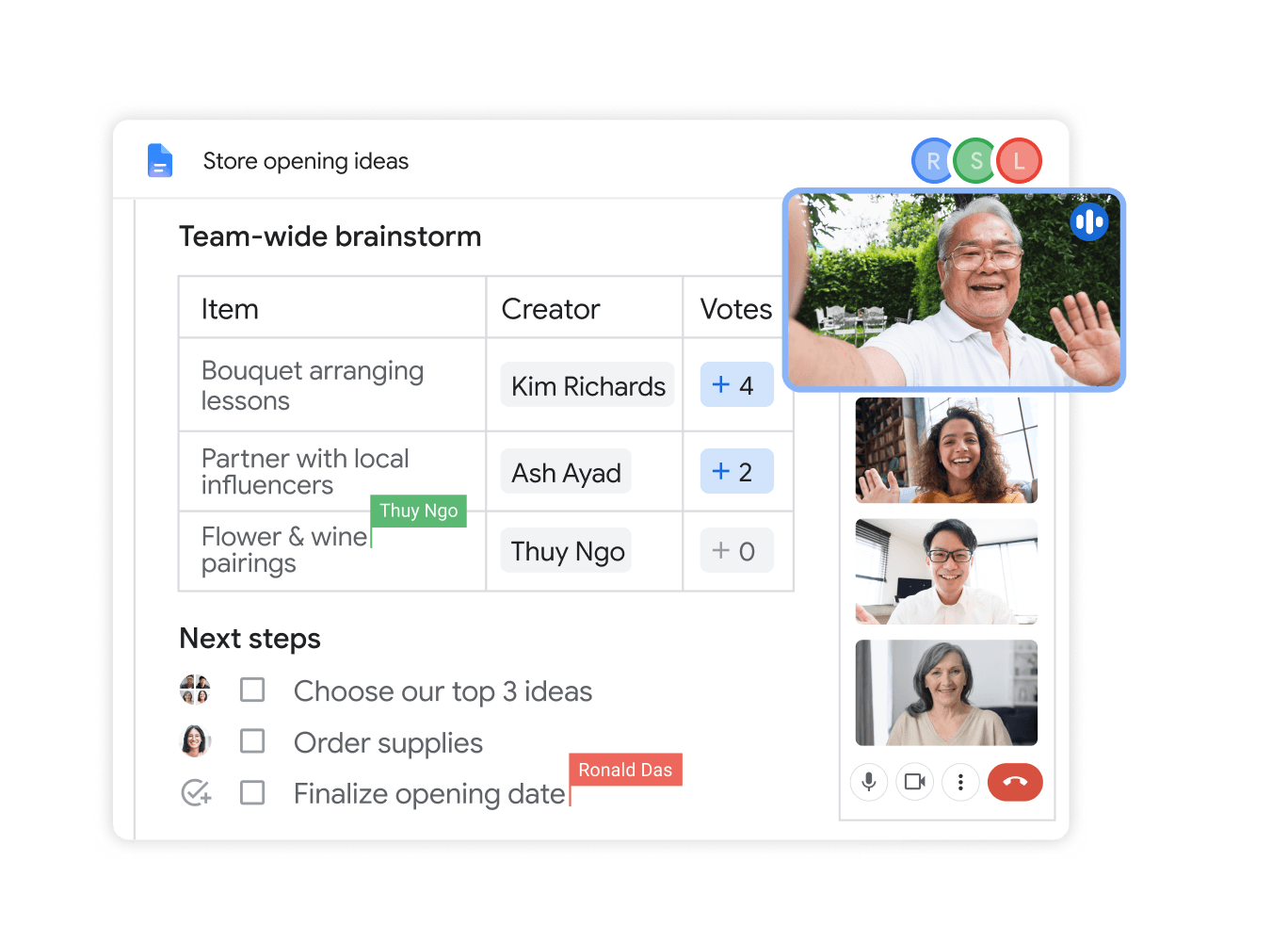
Docs, Sheets, and Slides are built for multiple people editing the same file simultaneously, with comments, suggestions, and version history built in — no emailing attachments back and forth or manually merging "final_v3" documents.
4. It scales without re-platforming
Because pricing and storage are per-user and pooled, a business can start on Starter with five people and move to Standard or Plus as headcount and storage needs grow, without switching platforms or migrating data again.
5. It's the market leader for a reason
Google Workspace now serves over 11 million paying customers globally, up from 8 million in early 2025, with a 95% customer satisfaction rating and roughly 1,800 new businesses signing up every week. That scale means better uptime, faster security patching, and a support ecosystem (including certified resellers) that smaller platforms can't match.
What the price tag doesn't include
The licence fee is rarely where budgets blow out. Data migration from an old mail server, staff training, custom domain and DNS setup, and add-ons like advanced third-party backup or archiving tools are the costs that catch businesses off guard. Budgeting for setup, not just the monthly fee, is what separates a smooth migration from a stressful one — and it's the main reason to migrate through an experienced reseller rather than self-serve.
Is Google Workspace Worth It for a South African Business?
For most South African SMEs, yes — the combination of local ZAR billing through an authorised reseller, browser-based access that doesn't depend on a single office server, and bundled AI tooling makes it a straightforward upgrade from ad-hoc email hosting. When people ask what Google Workspace actually costs in South Africa, the honest answer is: the same underlying USD list price as everywhere else, converted to Rands and billed locally with VAT added — there's no separate, marked-up "South African price." The bigger question isn't whether the platform is worth it; it's whether you're set up to get the most out of it — correct DNS and domain configuration, staff onboarding, and admin console security settings all matter more to day-to-day experience than which tier you pick.
This is where IT Chad's Google Workspace & Gemini Enterprise reseller service fits in: local ZAR invoicing, hands-on migration from whatever you're using today, and a dedicated senior architect who configures the admin console and security policies correctly the first time, rather than leaving that to trial and error after go-live.
Get Google Workspace Set Up Properly
Local ZAR billing, zero-downtime migration, and a dedicated senior architect — not a support queue.
Talk to IT ChadFrequently Asked Questions
Is Google Workspace free?
No. Google Workspace is a paid business subscription starting at roughly R155 per user/month (Business Starter, billed monthly). A free personal Gmail account is a different product and doesn't include custom domain email, admin controls, or the storage pooling that Workspace plans offer.
Is it cheaper to pay monthly or annually?
Annual billing is roughly 16–17% cheaper per user across every tier — for example, Business Standard drops from R310/month to R260/month when billed annually. Monthly billing costs more per user but avoids a 12-month commitment, which suits businesses still finalising headcount.
Can I switch or upgrade plans later?
Yes. Google Workspace plans can be upgraded (e.g. Starter to Standard) at any time as a business grows, and storage, users, and add-ons scale with the new tier without a data migration.
Is there VAT on Google Workspace in South Africa?
Yes. Published list prices are excluding VAT. When billed through a South African reseller, VAT is added at the local rate on the invoice, so budget for that on top of the per-user rate shown above.
What's the difference between buying direct from Google and through a reseller?
The licence itself is identical. The difference is billing currency (ZAR vs USD), invoicing and local tax handling, and access to hands-on support for migration, setup, and ongoing admin — which is what a reseller like IT Chad adds on top of the same Google infrastructure.
Is G Suite the same as Google Workspace, and does it cost the same?
Yes. G Suite was renamed Google Workspace in 2020 — it's not a separate, cheaper product. Any "G Suite pricing" you find elsewhere should match the same Starter, Standard, Plus, and Enterprise tiers and pricing covered in this guide; if it doesn't, it's likely outdated.
How much does extra Google Drive storage cost in South Africa?
There's no standalone storage add-on price for Workspace — storage is bundled per plan and pooled across your whole organisation (30 GB on Starter up to 5 TB+ on Plus and Enterprise). If a team genuinely outgrows its pooled storage, the fix is usually upgrading a tier rather than buying storage separately, which IT Chad can size correctly based on actual usage rather than guesswork.

Christopher Du Plessis
Christopher has 18+ years of hands-on IT experience and leads IT Chad's Google Workspace and Gemini Enterprise reseller practice for South African businesses, from single-domain migrations to multi-site deployments.
The Bottom Line
Google Workspace pricing in South Africa runs from roughly R130 to R490 per user/month (excluding VAT) depending on tier and billing frequency, with Enterprise priced on request. For the vast majority of small and mid-sized South African businesses, Business Standard hits the sweet spot — 2 TB of pooled storage, full Gemini AI access, and eSignature, for around R260/user/month on annual billing. The bigger driver of a good outcome isn't the plan you choose; it's how well the migration, domain setup, and admin configuration are handled on day one.
If you're weighing up plans or migrating from an existing provider, get in touch with IT Chad for a tailored quote in ZAR and a migration plan that doesn't interrupt your team's email for a single day.